Victoria’s Aquatic Sector Reaches New Heights
Victoria’s Aquatic Sector Reaches New Heights
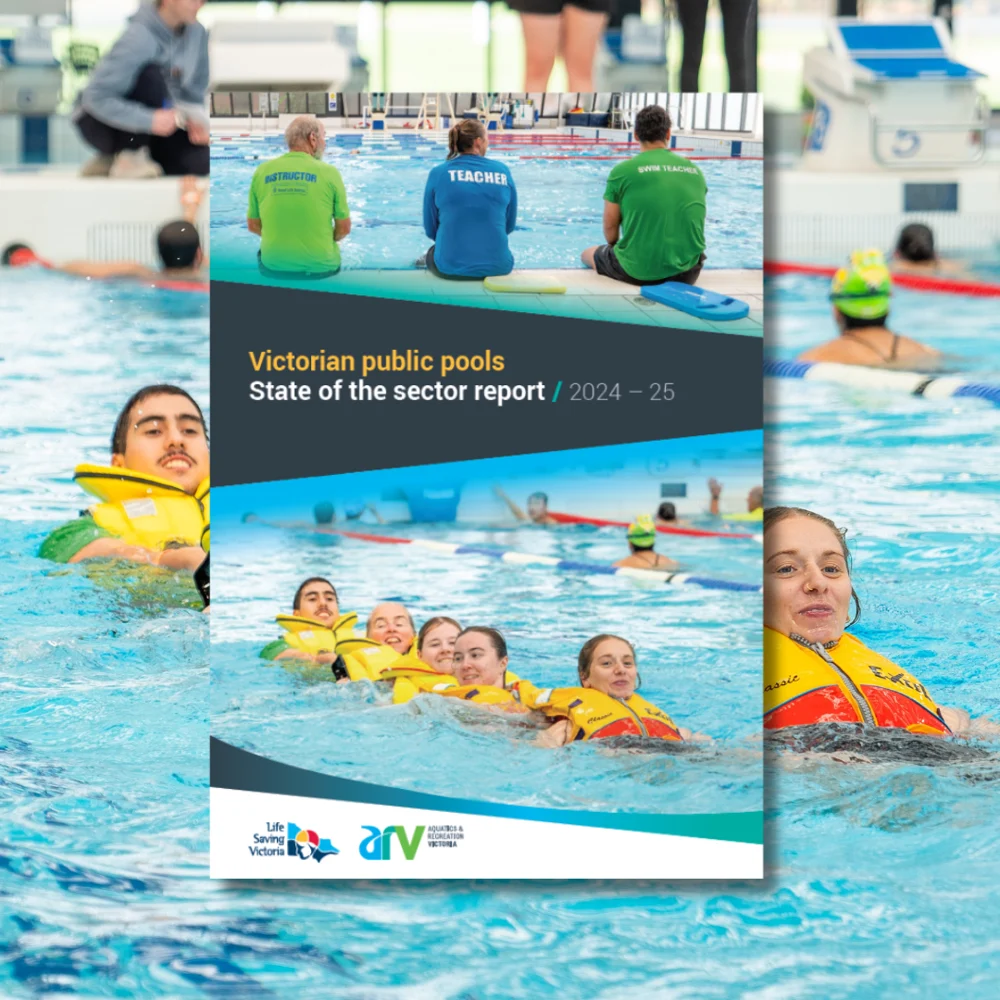
On 19 September, the 2025 Victorian Public Pools: State of the Sector Report was officially launched at the Victorian Aquatics and Recreation Industry Conference, marking a pivotal moment for the state’s aquatic sector.
General Manager – Aquatic Capability at Life Saving Victoria, Andy Dennis, recognised the significant work the industry has done to reach an impressive milestone.
“Zero fatal drownings in public pools this year is a milestone worth celebrating. But we must also recognise the ongoing challenges — from ageing infrastructure to sustaining a skilled workforce—to ensure these results continue.”
CEO of Aquatics & Recreation Victoria, Kathy Parton, said the report highlights not just the numbers, but the impact.
“Our facilities deliver billions in social value, providing safe, inclusive, and welcoming environments where Victorians of all ages can thrive.”
Each speaker highlighted the sector’s achievements and the challenges that lie ahead.
What the Report Reveals
The report offers a comprehensive snapshot of Victoria’s public aquatic facilities and their impact on community health, safety, and social value. Key findings include:
- Zero fatal drownings in public pools in 2024–25—the first time since 2019–20.
- $3.4 billion in social value generated annually, averaging $6.1 million per facility.
- Over 110 million visits to aquatic centres across the state each year.
- Record 9% growth in participation, with 82% of centres reporting increased attendance.
- 16,987 swimming club members across 125 clubs—up 911 from last year.
- Ageing infrastructure remains a concern, with 82% of councils identifying it as a significant risk.
Speaking on behalf of the Minister for Emergency Management, Sheena Watt MP acknowledged the sector’s broader role in community resilience.
“This report demonstrates the contribution of our aquatic sector not only in keeping Victorians safe in and around water, but also in building stronger, more resilient communities.”