Public Rescue Equipment

Public rescue equipment is lifesaving equipment made available at beaches, waterways, pools and other aquatic locations to help members of the public respond quickly and safely in an emergency.

Why do we need Public Rescue Equipment?

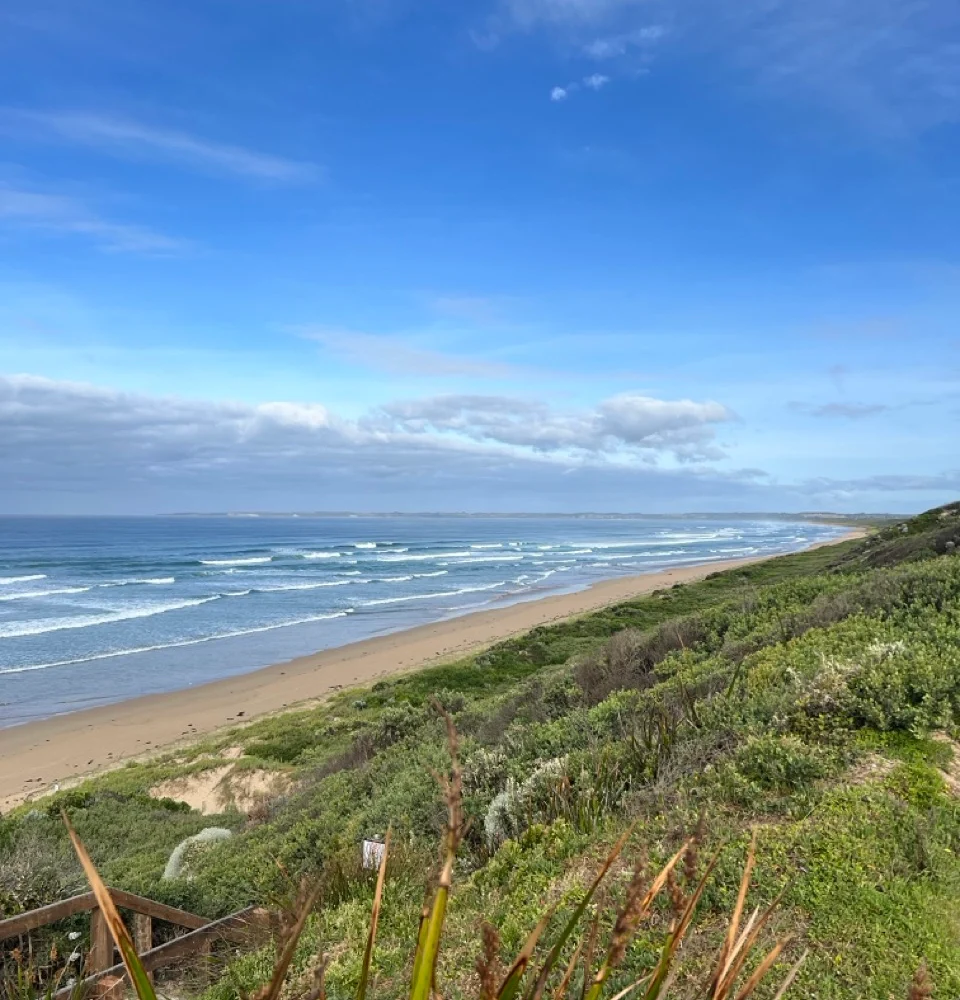
There have been 7 drowning deaths in the South Gippsland local government area since 2014 — 75% in coastal environments such as Venus Bay, making it one of Victoria's highest drowning blackspots.

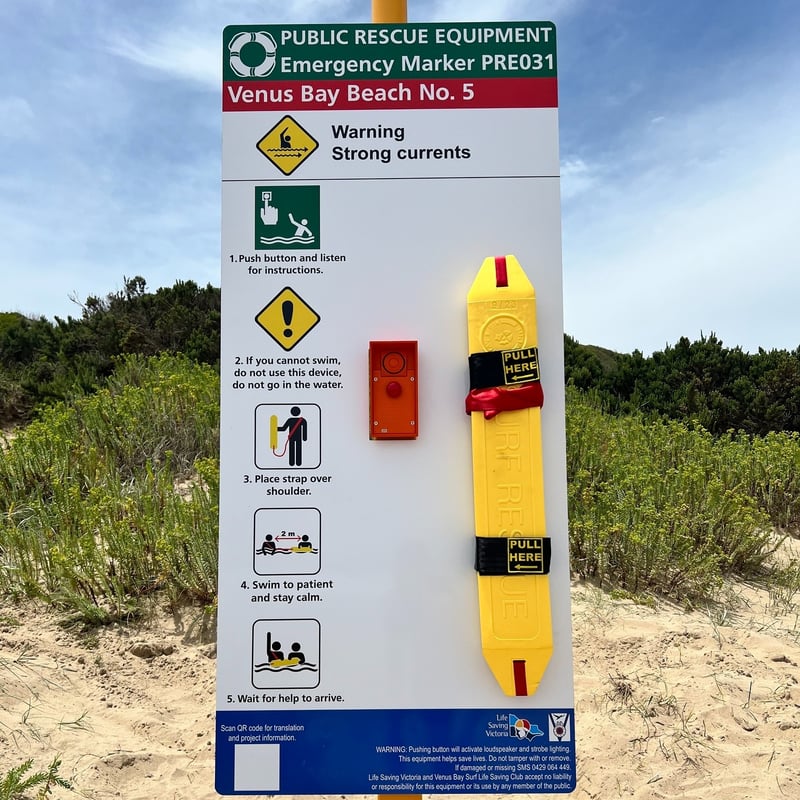
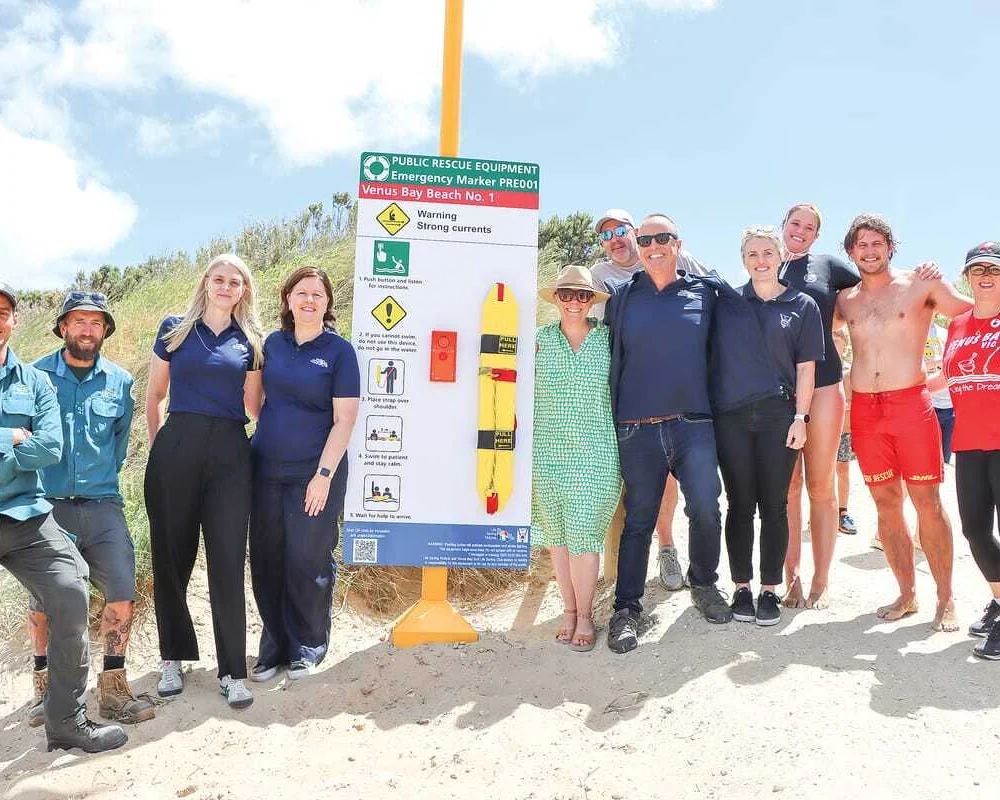
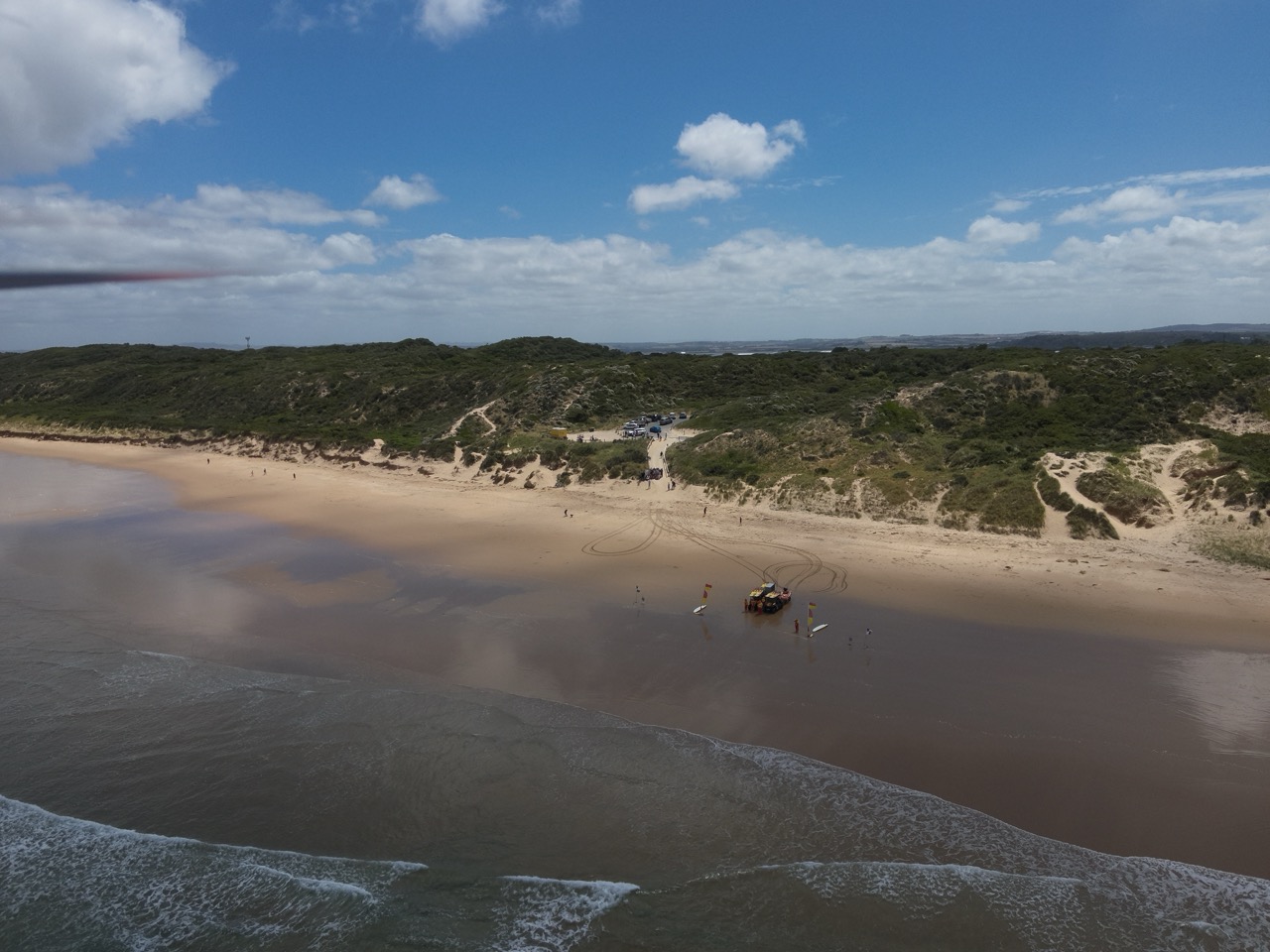
Public Rescue Equipment (PRE) stations are being piloted at Venus Bay beaches 1–5, with a station at each beach's access point. Each station has a call button linking directly to emergency services and a rescue tube for use by strong swimmers or trained personnel.

PRE is no substitute for swimming between the flags at a patrolled beach.

Venus Bay Beach No. 1 is patrolled every weekend from November to April.
Gippsland Blackspot Project Overview

The project consists of three phases split up to effectively deliver on the proposed outcomes.

Aims

The aim of the project is to determine the effectiveness of PRE stations in Gippsland. The project will accomplish this aim with short-term and long-term goals.

The short-term aims are:

  • Determine stakeholder and community awareness and knowledge of risks associated with coastal waterways.
  • Determine the impacts of the PRE stations including the associated communications on the community.

The long-term aims are:

  • Overall decrease the number of drownings and aquatic injuries in the Gippsland region.
  • Use this project as a precedent for implementation of similar PRE projects in other Victorian local government areas.
Phase 1 (Complete)

Coastal risk assessments at key blackspot locations, including Venus Bay beaches 1–5, with consultation across land managers, local life saving clubs and community groups.

Phase 2 (Complete)

Implementation of the measures determined in Phase 1, with further stakeholder consultation. Given the location's remoteness, these included:

  • PRE stations installed at beaches 1–5, each comprising:
    • a rescue tube attached to instructional signage, connected to emergency services (000) via a call button
    • a unique Emergency Marker code
    • a QR code for in-language translation, project information and beachgoer feedback
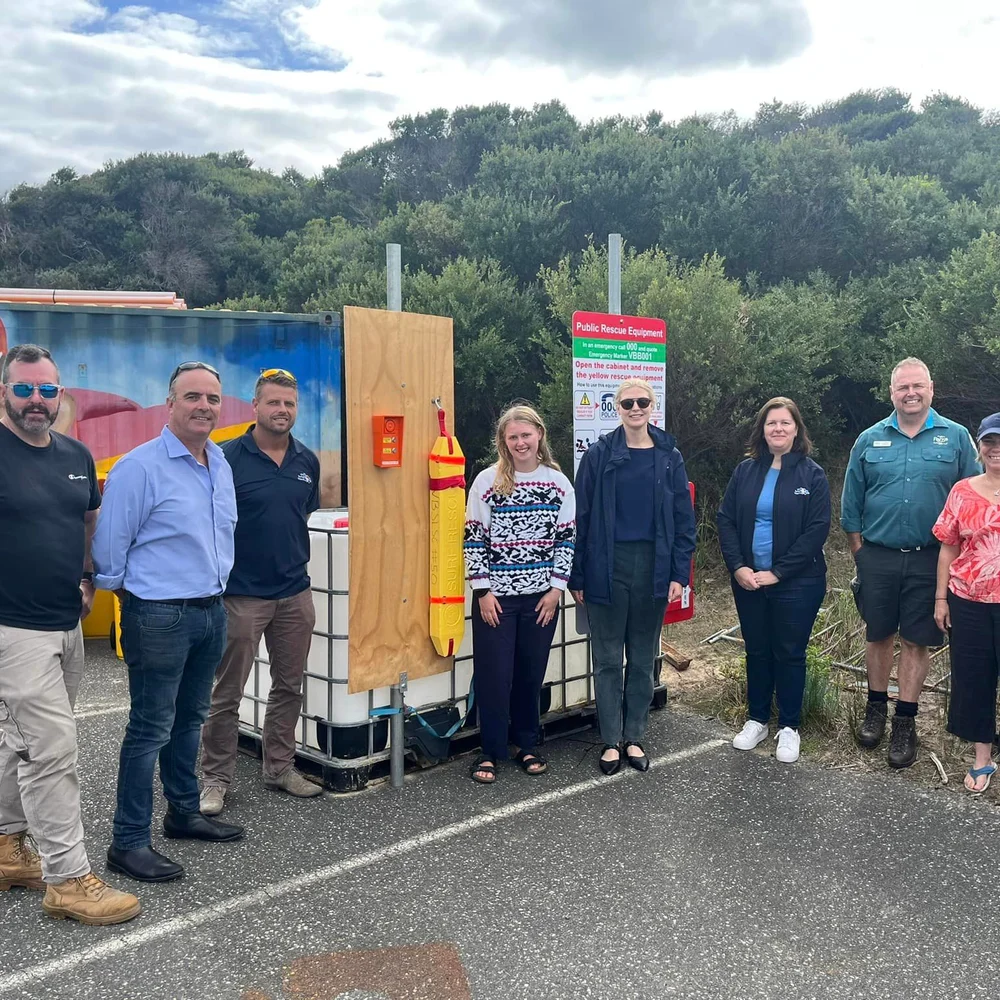
  • community training and information sessions
  • a media campaign promoting the stations and safe coastal behaviours.
Phase 3 (In progress)

Monitoring and evaluation of the PRE stations and awareness campaign, measuring their impact on coastal water safety knowledge, hazard identification and risk perception. The trial runs until 2027.
Project FAQs
What is the origin of this project?

A bystander drowning occurred at Venus Bay when a woman attempted to rescue two people struggling in the water without a flotation device or any equipment to support the rescue. Significant community concern for coastal safety followed, and the project began shortly after.

How long has this been in development?

The project began in 2021. The PRE stations were installed in 2024 and will be trialled for three years.

What did the development phases between 2021 and 2024 entail?

As the first project of its kind in Victoria, development involved coastal risk and signage assessments, five rounds of community consultation and co-design, and technical development with CartGIS. This rigour also secured the necessary land manager and government approvals.

Can a rescue tube hold me and another person?

Yes — it can hold up to 220kg.

Where are the PRE stations located?

Venus Bay Beaches 1–5 each have a PRE station on the sand next to the main entry point.

Do I still need to call 000?

No — pushing the button replaces calling Triple Zero (000). When you push it, a message will play: "You have requested emergency assistance. A call will now be made to Triple Zero. For water rescue, ask for police. For medical help on land, ask for ambulance." Then state the Emergency Marker code to the operator, e.g. PRE001.

Acknowledgements

Special acknowledgments: