Our proud history
Today
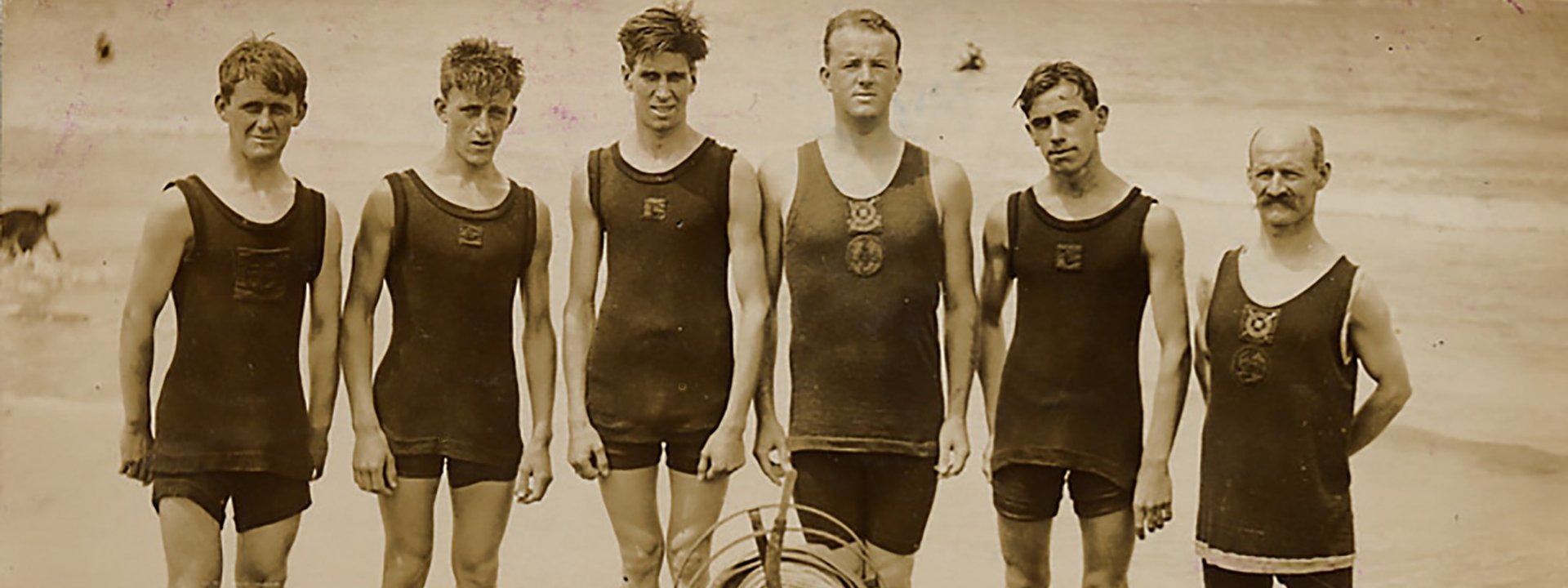
Life Saving Victoria is now one of the state’s most significant community service organisations, with:
- 40,000+ volunteer members across more than 50 lifesaving clubs.
- Hundreds of professional lifeguards employed each summer.
- Over 300,000 participants annually in water safety and swimming education programs.
- Partnerships across government, industry, schools, and communities.
Building on over a century of tradition, LSV continues to evolve — championing water safety, reducing drowning, and empowering Victorians to safely enjoy aquatic environments.
Early Beginnings
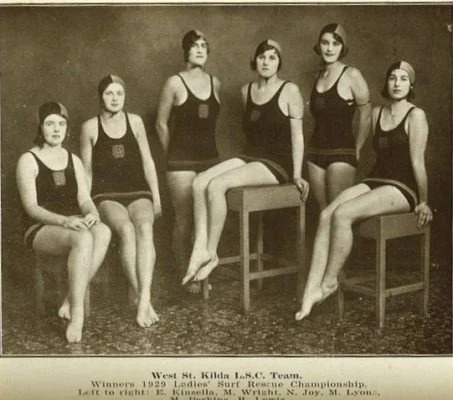
Organised lifesaving in Victoria can be traced back to the early 1900s, when concern grew about the rising number of drownings along the state’s coastline and rivers. In 1904, the Royal Life Saving Society Australia (RLSSA) – Victorian Branch was established to promote lifesaving skills and water safety education. Its focus was on teaching swimming, resuscitation, and rescue techniques, initially through schools, universities, and community organisations.
By 1907, inspired by the growth of surf bathing, the first surf lifesaving clubs were formed in Victoria. These clubs were run by volunteers who patrolled beaches, developed new rescue techniques, and established a culture of service that continues to this day.
Growth of the Movement
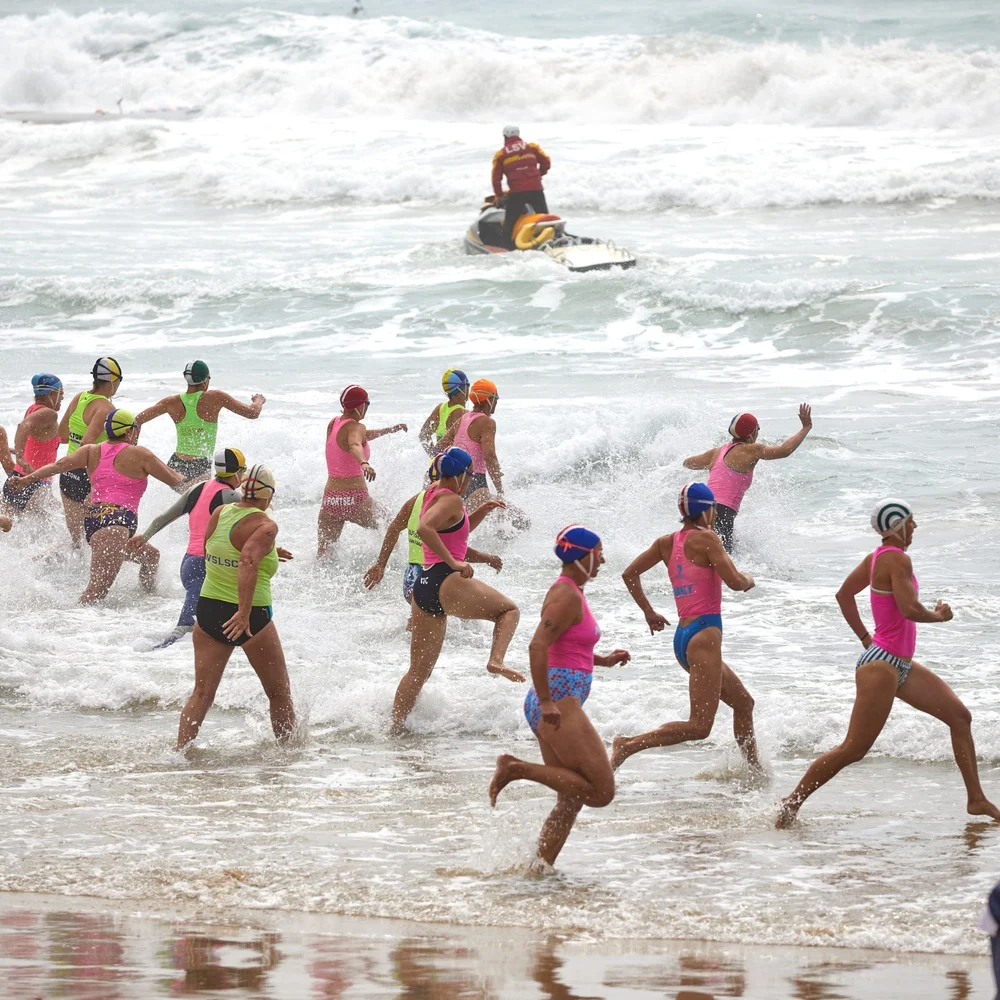
Throughout the 20th century, lifesaving became a cornerstone of Victorian community life.
- The Royal Life Saving Society led inland and pool-based lifesaving, ensuring generations of Victorians learnt how to swim and perform rescues.
- Surf Life Saving Victoria expanded across the coastline, developing strong volunteer clubs that became part of local communities.
Major milestones included the introduction of resuscitation methods in the 1920s, bronze medallion qualifications, and the expansion of junior programs to build the next generation of lifesavers.
Towards Unification
By the 1980s and 1990s, both organisations had established strong foundations, but there was increasing recognition of the need for a unified voice for water safety in Victoria. With drowning prevention becoming more complex and requiring partnerships across emergency services, education, recreation, and government, a combined structure was seen as essential.
Formation of Life Saving Victoria
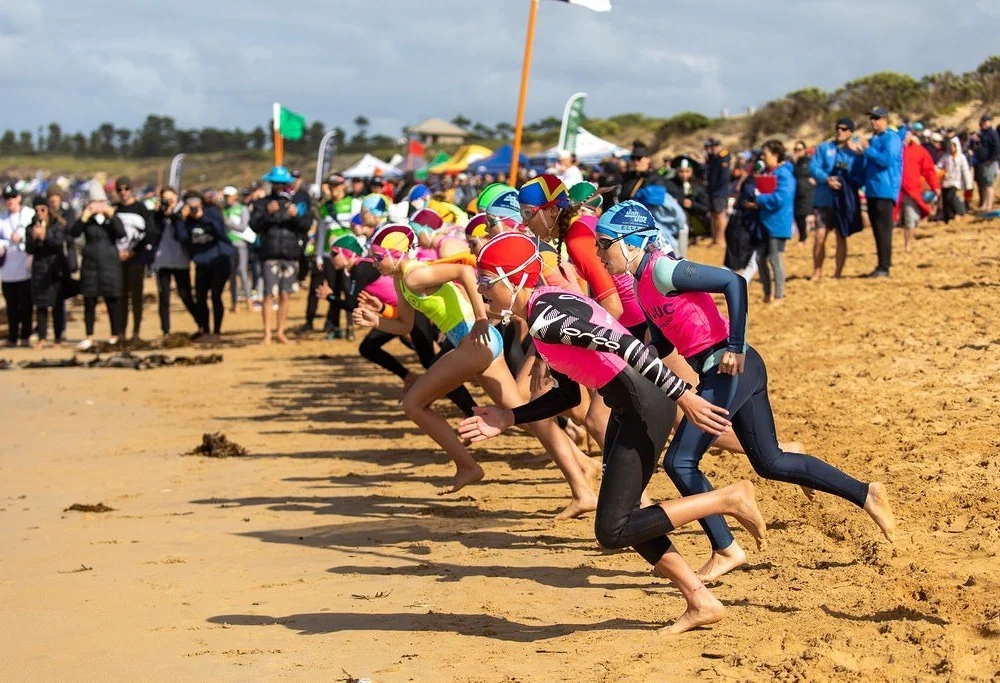
In 2002, the Royal Life Saving Society Victoria Branch and Surf Life Saving Victoria came together to form LSV. The merger created a single peak body with responsibility for:
- Volunteer lifesaving services across Victorian beaches.
- Education and training programs in schools, workplaces, and aquatic facilities.
- Aquatic industry safety services, including Pool Safety Assessments and risk management.
- Research, advocacy, and government partnerships to improve water safety statewide.
Preserving Victoria’s Lifesaving Heritage
Life Saving Victoria’s volunteer-led Archives team preserves and celebrates the rich history of lifesaving and aquatic safety in Victoria. We welcome contributions from volunteers, clubs, members, researchers and the community, including stories, photographs, records, memorabilia and other items that help capture our shared heritage.
The LSV Archives are located at Life Saving Victoria headquarters, 200 The Boulevard, Port Melbourne VIC 3207.
To contribute, volunteer or make an enquiry, email: archives@lsv.com.au